If you own a home in Bearsden, you will know that the weather here can be unforgiving. One week the sun is out, the next you are chasing a leak from a slipped slate. Over the years I have seen plenty of roofs in this part of East Dunbartonshire, and I have learned that finding the right roofer is about more than just a quick fix. It is about understanding the local stock, the materials that were used when these houses were built, and the regulations that protect them.
Bearsden has a rich mix of housing. You have Victorian and Edwardian villas, interwar bungalows, and modern developments. Each type brings its own roofing challenges. A roof that was put up in 1905 behaves very differently from one built in 2005. The skills needed to repair a slate roof on a Conservation Area property are not the same as those needed to replace a bitumen felt flat roof on a 1970s extension. That is why local Bearsden roofers often have the edge. They have worked on these houses before. They know which suppliers carry the right Scotch slate. They know which building warrants officer to call for listed properties.
I once watched a crew from Glasgow try to patch a lead flashing on a Bearsden villa. They did a decent job, but they used a modern lead substitute that did not match the existing work. Within a year it had failed. A local roofer who knew the property would have used traditional lead flashing, dressed properly, and it would have lasted decades. That kind of experience is hard to find if you just pick a name from an online search.
What Makes a Good Roofing Contractor in Bearsden
Not all roofing contractors are the same. Some are great at new builds but struggle with repairs on older stock. Others specialise in heritage work but charge a premium for straightforward jobs. The best Bearsden roofers tend to have a broad skill set. They can handle slate, tile, felt, and lead. They also understand how a roof interacts with the rest of the house, especially the guttering and rainwater goods.
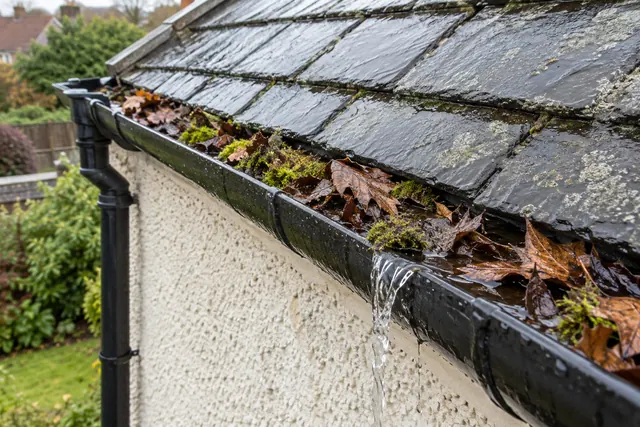
Guttering is often overlooked until it causes trouble. A blocked or poorly fitted gutter can lead to damp walls, rotten fascias, and even subsidence if the water undermines the foundations. In Bearsden, where many houses have large trees nearby, keeping gutters clear is a constant job. A roofer who also does guttering work can spot problems early and save you from bigger bills later.
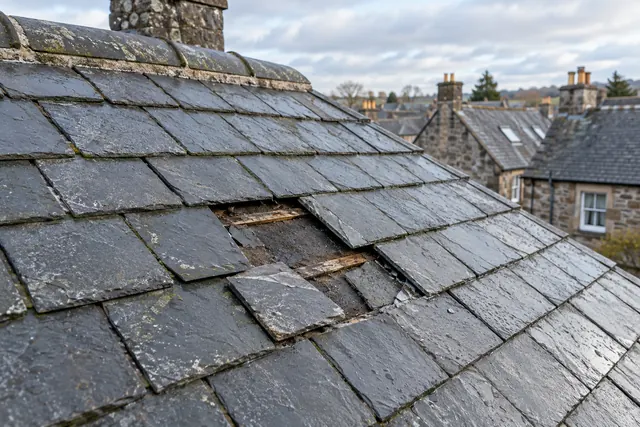
When you are looking for a roofer, ask about their experience with local roof types. If your house has Scotch slate, you want someone who knows how to source matching slates and how to nail them without cracking them. If you have a flat roof covered in bitumen felt, you want a roofer who understands the different grades of felt and the correct way to torch them on. These details matter.
The Challenge of Slate Roofs in Bearsden
Slate roofs are common in Bearsden, especially on the older properties. Many were originally covered with Scotch slate, which has a distinctive dark grey colour and a slightly rough texture. Over time, some slates will crack or slip. Finding replacements that match can be difficult. Good Bearsden roofers know the salvage yards and specialist suppliers where you can find reclaimed slates. They also know when to use a modern equivalent and how to blend it in.
I have seen jobs where a roofer used slates from Spain on a Scottish villa. The colour was wrong, the texture was different, and the whole roof looked patchy. The homeowner was unhappy and had to pay again to have the work redone. A local roofer with experience of Scotch slate would never have made that mistake. They would have either sourced the right material or advised the client that a full replacement might be a better option.
Slate roofs also need proper ventilation. In Bearsden, where the climate is damp, a roof that is not ventilated can suffer from condensation in the loft. That can lead to rot in the timbers and mould in the bedrooms below. A knowledgeable roofer will check the ventilation details and make sure the insulation is not blocking the airflow.
Flat Roofs and Bitumen Felt
Not every roof in Bearsden is pitched. Many houses have flat roofs over extensions, garages, or bay windows. These are often covered with bitumen felt, a material that is reliable if installed correctly but prone to failure if the work is rushed. The key is to get the falls right so that water drains away, and to lap the felt properly so that there are no weak points.
I once saw a flat roof that had been fitted by a general builder. Within two years it was leaking because the felt had been laid with too few layers and the laps were facing the wrong way. A specialist roofer would have used three layers of felt, torched them properly, and finished the edges with a drip detail. That job cost the homeowner nearly double in the end, because they had to strip the old felt off and start again.
If you have a flat roof, ask prospective roofing contractors about their experience with bitumen felt. Some may try to sell you a rubber membrane or a liquid coating instead. Those can work, but they are not always the best choice for a small extension where the roof is walked on occasionally. A good roofer will talk you through the options and let you decide.
Lead Flashing and Rainwater Goods
Lead flashing is used where a roof meets a wall, around chimneys, and at valleys. It is a traditional material that lasts for decades if it is properly bossed and dressed. In Bearsden, where many houses have complex roof shapes, lead work is essential. A poor lead detail will let water in, and the damage can be hidden for months before it shows up as a stain on the ceiling.
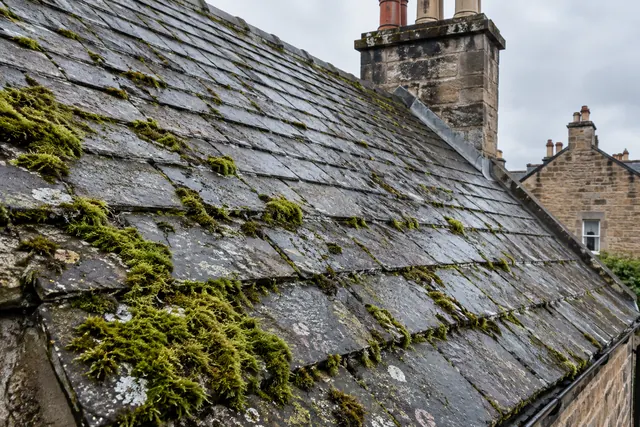
Rainwater goods, the gutters and downpipes, are the other half of the system. If they are blocked or broken, even the best roof will leak. I have seen houses where the gutters were full of leaves and moss, and the water was running down the walls instead of into the drain. The mortar was crumbling and the brickwork was damp. A roofer who also works on rainwater goods can clear the gutters, check the brackets, and make sure the water is going where it should.
In Bearsden, where many houses are in a Conservation Area, you may need to use cast iron gutters instead of plastic. A local roofer will know which properties are listed and what the planning department expects. They will also know the best suppliers for cast iron sections and how to fit them so that they look right and work well.
Accreditations and Insurance
When you are hiring a roofer, accreditations matter. Look for membership of the Federation of Master Builders, TrustMark, or RICS. These schemes mean the contractor has been vetted and follows a code of practice. NHBC is relevant if you are having a new roof put on a new building, but for repairs it is less common.
A good roofer will also have public liability insurance and, ideally, a warranty on their work. If something goes wrong, you want to know that you are covered. I have known homeowners who hired a cheap roofer with no insurance, and when the work failed they had no comeback. The roofer had disappeared and the roof was still leaking.
If you are making an insurance claim for storm damage, a roofer who has experience with insurance work can help. They will know how to write a report that the insurer accepts, and they will understand the timescales involved. Some roofers even offer a roof survey service, where they inspect the roof and give you a written report on its condition. That can be useful if you are buying a house or planning to sell.
For emergency repairs, such as a tree falling on the roof or a sudden leak during a storm, you need a roofer who can respond quickly. Local Bearsden roofers often have a network of suppliers and can get materials fast. They also know the area, so they can reach your house without getting lost.
How to Choose the Right Roofer for Your Needs
Start by asking neighbours and friends in Bearsden who they have used. Word of mouth is still one of the best ways to find a reliable contractor. If you see a roofing van in your street, ask the homeowner if they are happy with the work. Most people will tell you honestly.
Get at least three quotes. The cheapest is not always the best, and the most expensive is not always the best either. Look for a quote that is detailed, showing the materials, the labour, and the timescale. A vague quote is a red flag.
Check the roofer's references. Ask for photos of previous work, especially on houses similar to yours. If they have worked on slate roofs in Bearsden before, they should have examples. If they are reluctant to show you, that is a warning sign.
Finally, trust your instincts. If a roofer turns up late, looks disorganised, or gives you a price without even looking at the roof, walk away. The best Bearsden roofers are busy, but they will make time to talk to you properly. They will explain what needs doing and why. They will not pressure you into a quick decision.
Your roof is one of the most important parts of your home. It keeps the weather out and the heat in. Getting it right is worth the effort. Take your time, do your research, and choose a roofer who knows Bearsden and its roofs. That local knowledge can save you money, stress, and a lot of wet weekends.